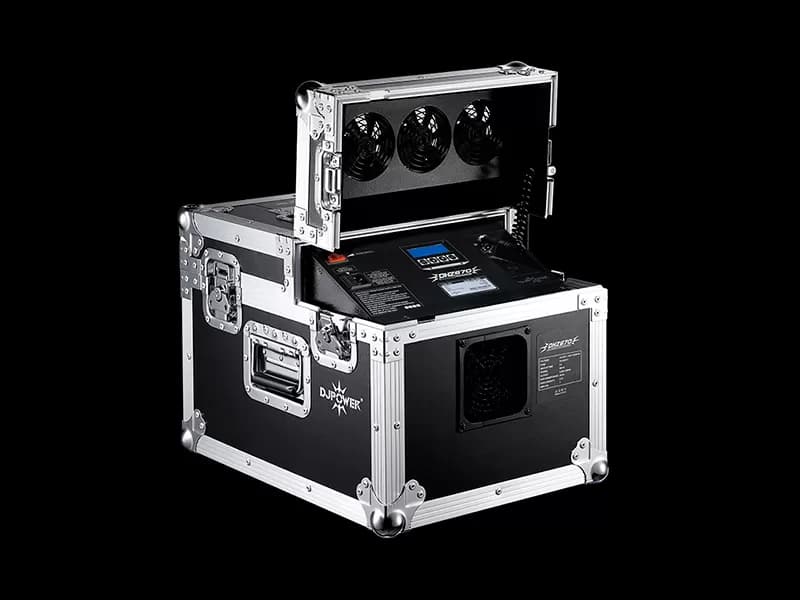
- Fine, even oil-based haze
- No heat-up — instant start
- Unlimited continuous output
- DMX-512, 2 channels
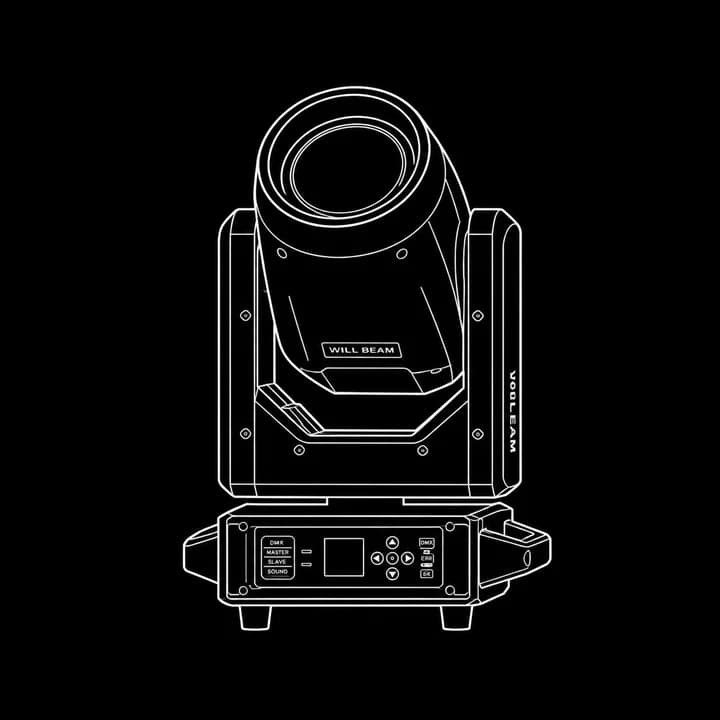
Beam, wash and compact moving heads for clubs, weddings and touring floors.
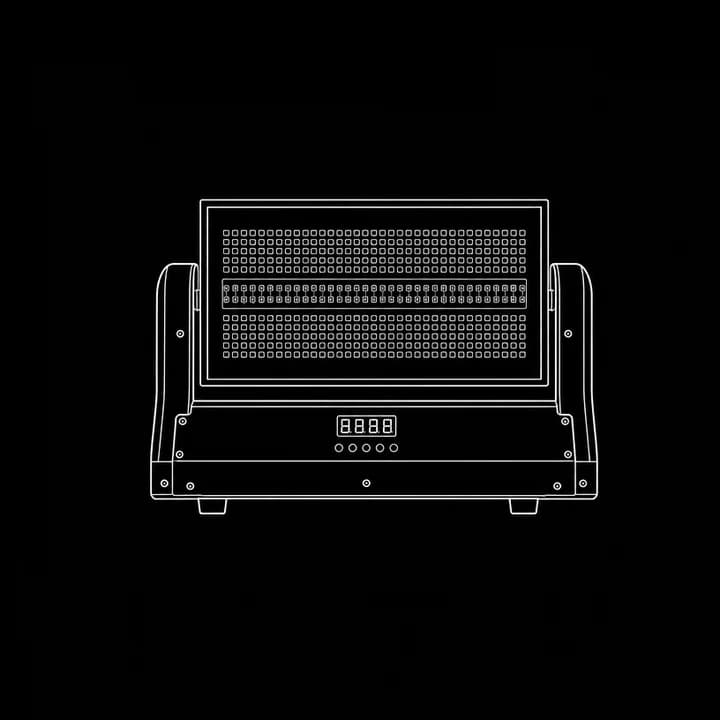
PARs, audience blinders and kinetic LED effects for venues and rental plots.
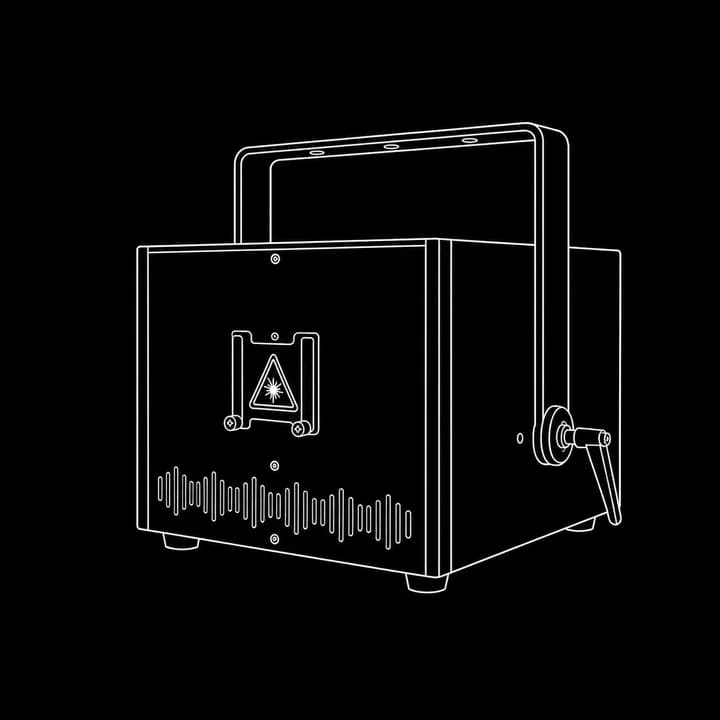
Compact animation and show lasers for clubs, stages and event installs.
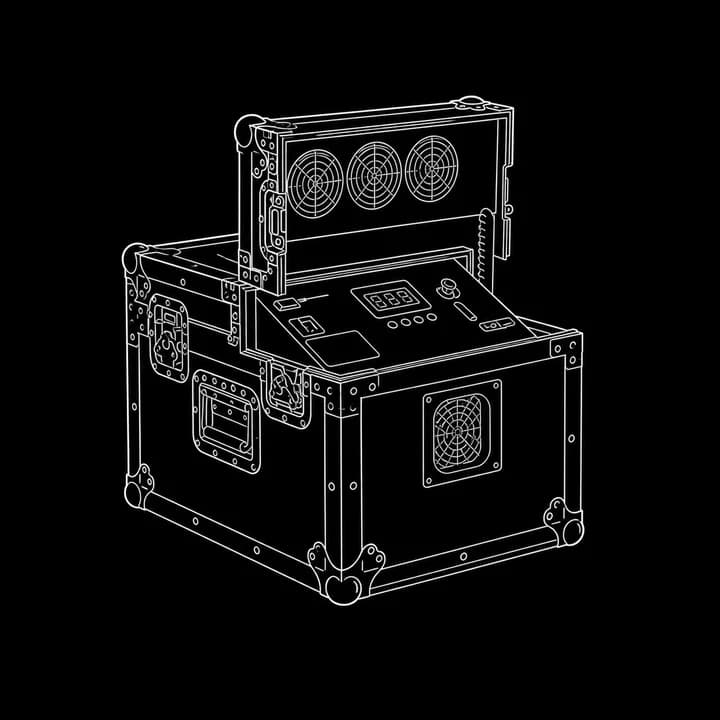
Smoke rings, haze, fog jets, fog bubbles and water-mist flame effects.
The practical difference between haze and fog, when each one belongs in a show, and what haze does for beams and lasers.
Fog is dense and transient: a fog machine pushes a thick cloud that hangs low and disperses in seconds to minutes. Haze is invisible in the air but adds fine particles that catch light continuously.
In short: fog is an effect you see; haze is a medium you see through.
Beams, lasers and mid-air effects have no shape in clean air. A light, even haze gives every beam a defined outline and every laser fan a visible plane.
Oil-based haze machines run continuously without heat-up, which suits venues that want the medium present all night at a constant low level.
Fog belongs where the cloud itself is the look: low-lying floor fog for first dances, jet blasts timed to music hits, and colored fog columns as accents.
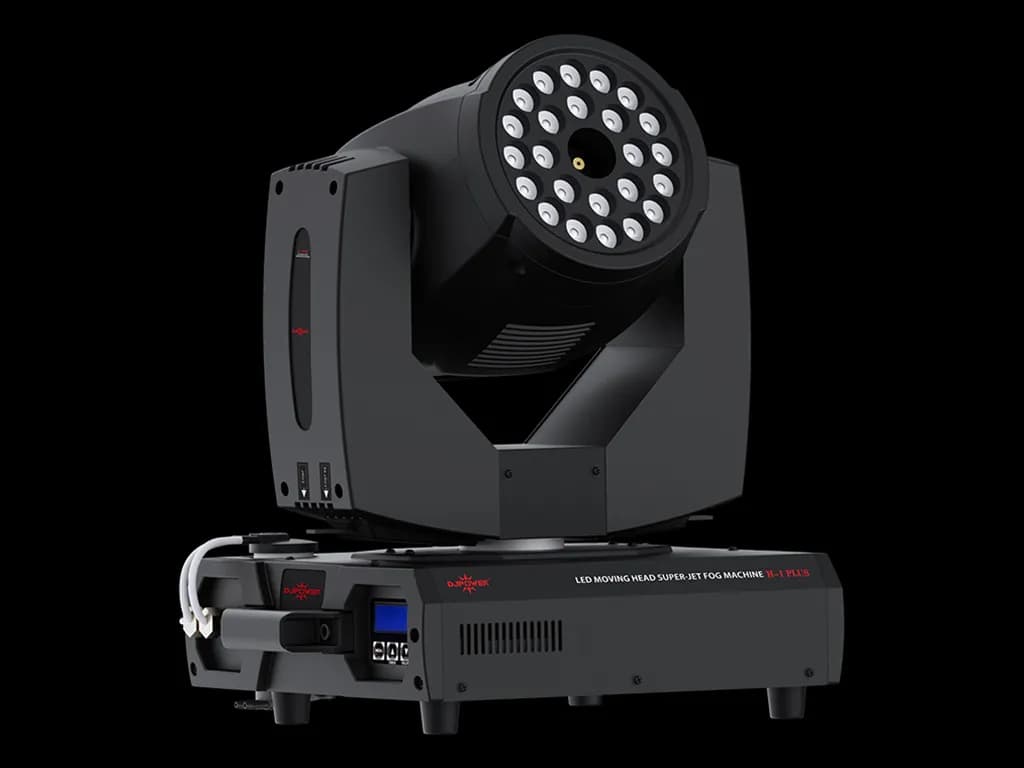
Modern hybrid fixtures combine both jobs — a moving-head fog jet throws the cloud while an LED ring lights it, covering the effect without a separate operator cue.
Check the venue's rules before specifying: some fire systems treat any visible aerosol as an alarm, and some cities require notification for fog use in public events.
Use only the fluid type the machine is designed for — haze oil, standard fog fluid and water-based effects are not interchangeable, and the wrong fluid damages heaters and voids warranty terms.
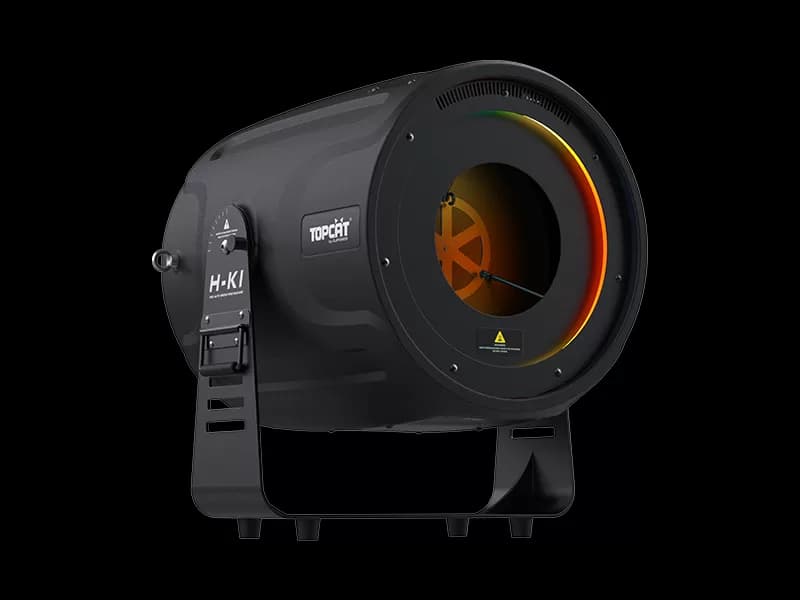
Send the room size, fixture list or a reference photo — we confirm models, quantities and lead times.