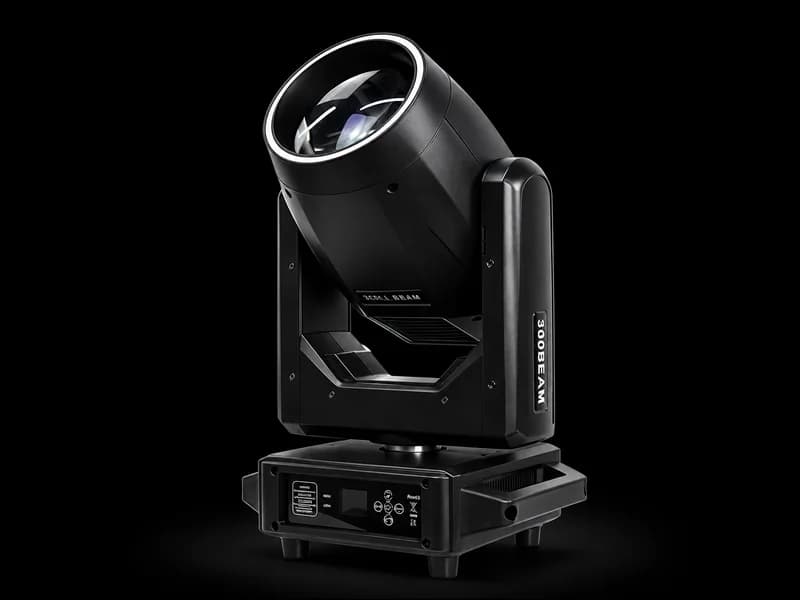
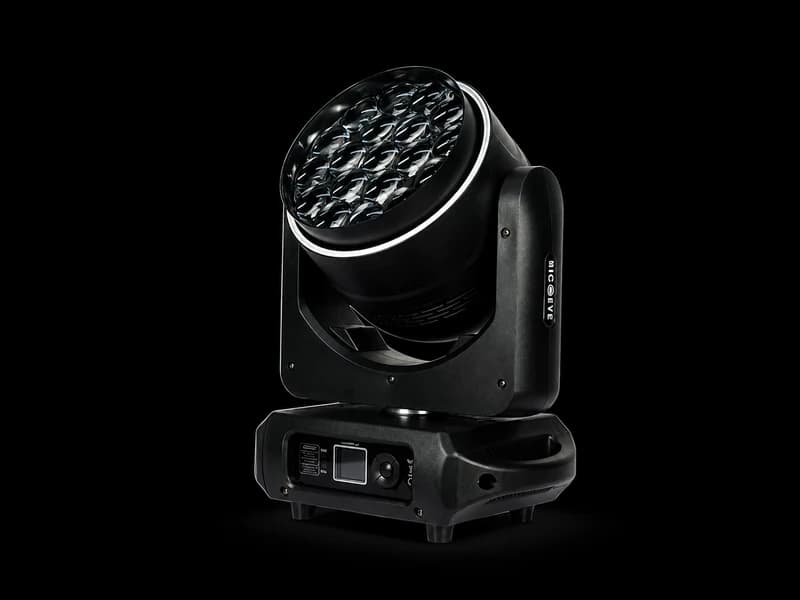
- 300 W LED beam, 70,000 lm
- 6000K, CRI 70, dimmable
- DMX512 control, IP33
- 11.8 kg, pole-mount ready

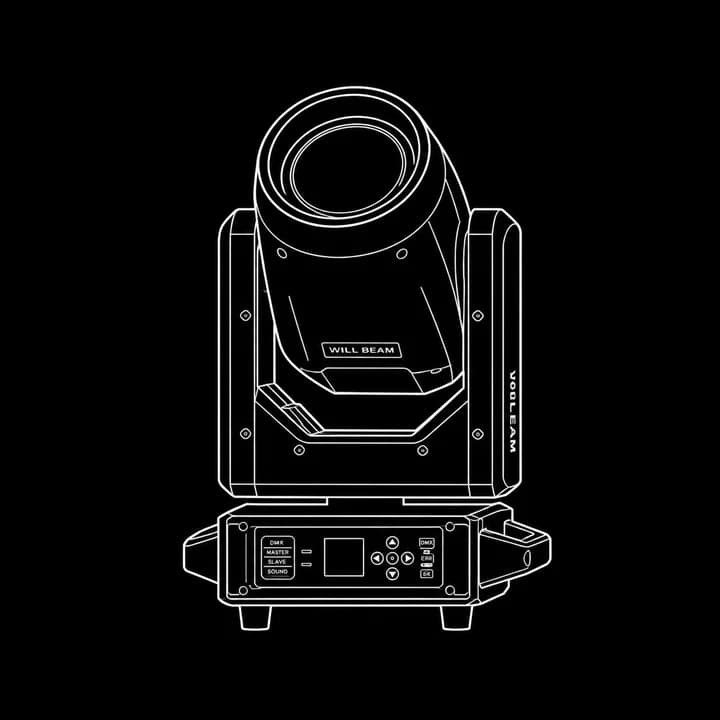
Beam, wash and compact moving heads for clubs, weddings and touring floors.
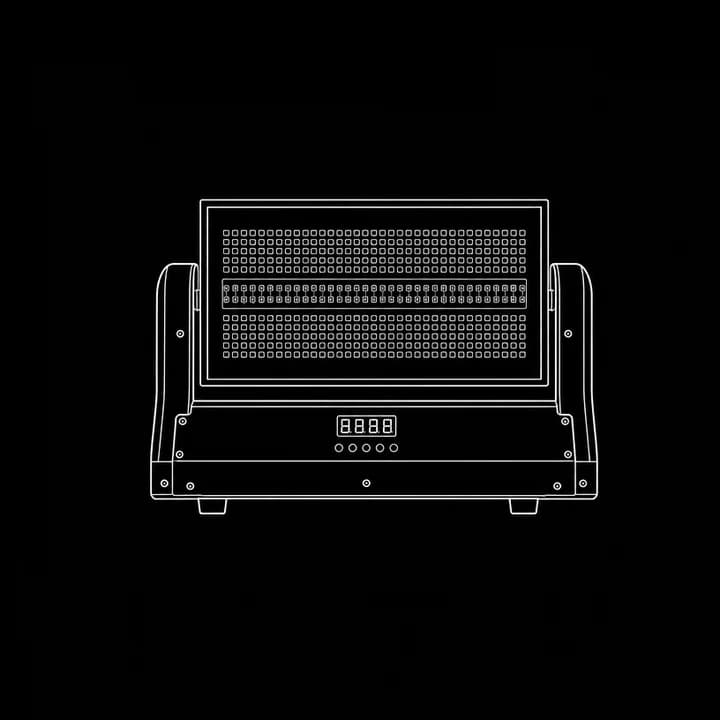
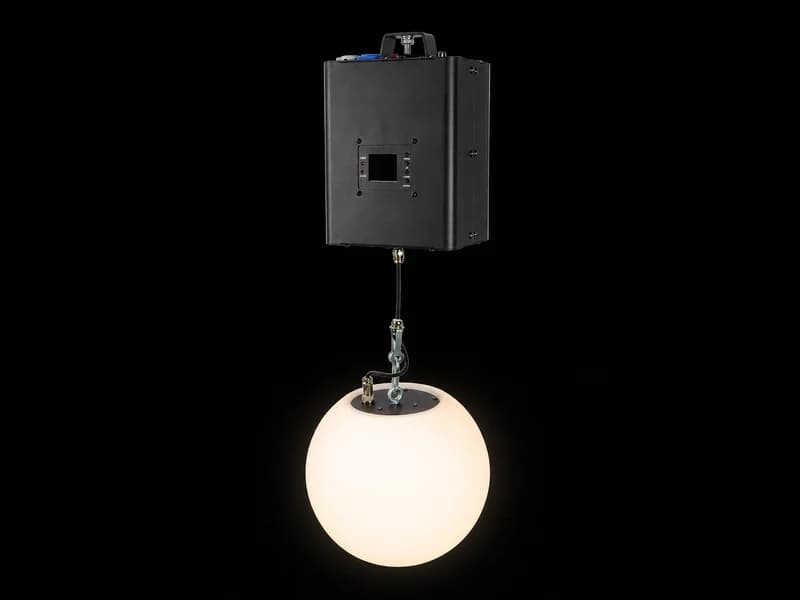
PARs, audience blinders and kinetic LED effects for venues and rental plots.
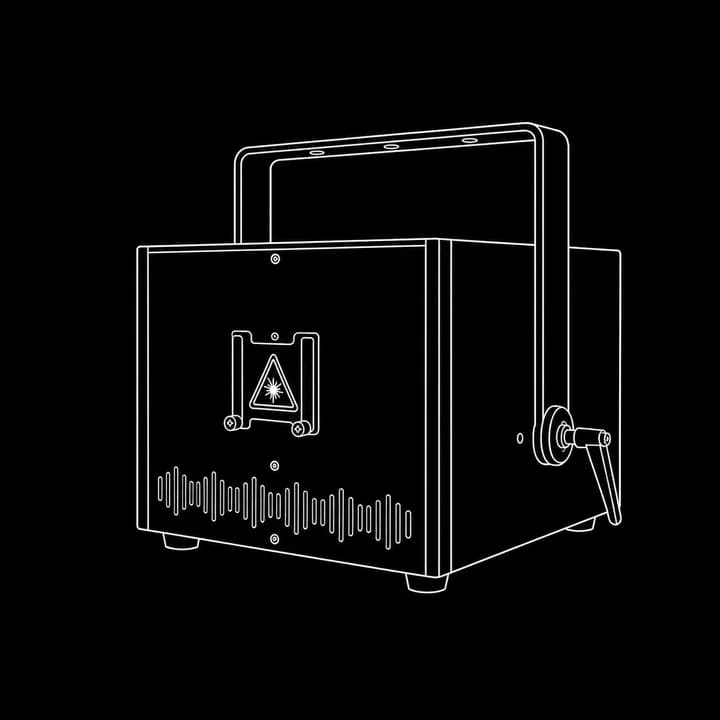
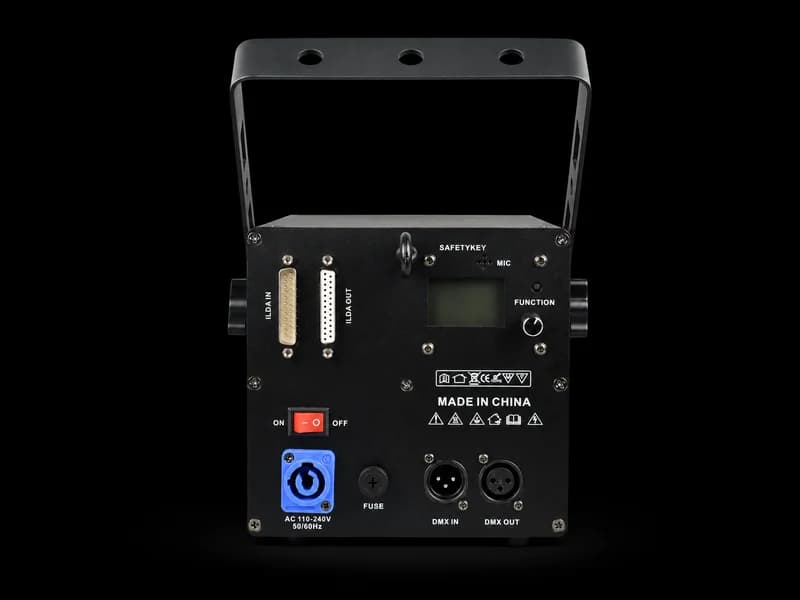
Compact animation and show lasers for clubs, stages and event installs.
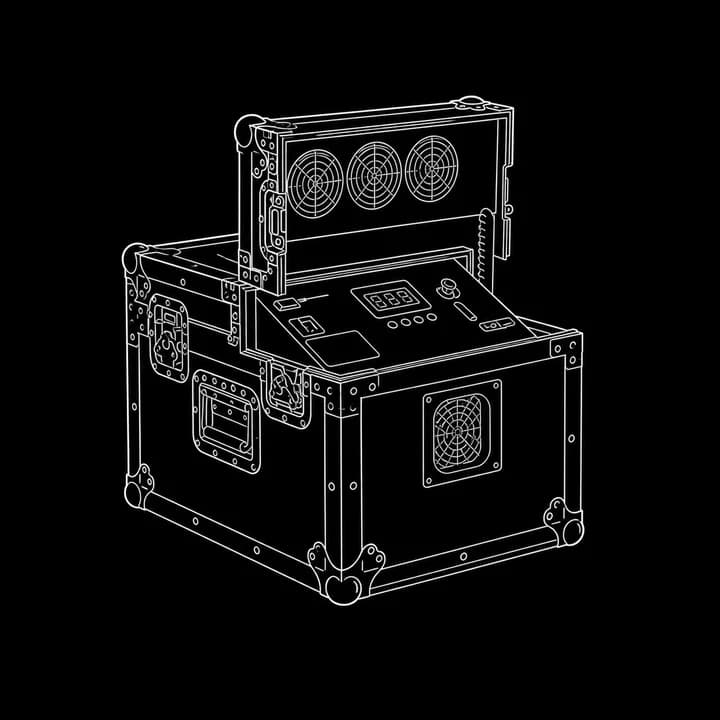
Smoke rings, haze, fog jets, fog bubbles and water-mist flame effects.
A practical sizing method for club and bar lighting: coverage zones, hanging positions and a worked example for a 200 m² room.
Square meters alone do not determine fixture counts — zoning does. Divide the room into the areas that each need their own look: the dance floor, the DJ booth, the bar, seating and the entrance.
A workable starting grid for a mid-size club: 4–8 aerial positions over the dance floor, 2–4 fixtures on the booth, and 2–4 accent positions for bar and walls. That is 8–16 moving fixtures before effects.
Take a 200 m² room with a central dance floor. A common build looks like this: 6–8 beam heads on truss over the floor for mid-air looks, 4 wash heads covering floor and seating edges, and 1–2 compact lasers to fill the volume between trusses.
At the tight end of that range the rig is deliberately minimal and relies on haze to make every beam count; at the upper end you can run two independent looks for slow and peak hours.
Beam and laser looks only exist in a medium. A haze machine running continuously at low level makes the same fixture count read two or three times stronger; oil-based haze is preferred because it is even and does not trigger smoke alarms the way dense fog can.
Budget the atmosphere machine into the lighting plan, not as an afterthought — it is the cheapest fixture-count multiplier in the room.
Once the fixture list exists, confirm three numbers with your supplier: quantities per model, control (one DMX universe is usually enough for rigs up to ~32 fixtures), and rigging weight per truss.
Send the room dimensions and the fixture list to GOGFITS and we will confirm models, quantities and an OEM option where it matters.
Send the room size, fixture list or a reference photo — we confirm models, quantities and lead times.